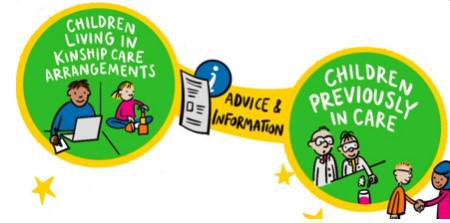
The Virtual School has a wider strategic role in promoting the education of children and young people who are known, or have previously been known, to social care. This includes children with a social worker, children who have had a social worker in the past, children living in kinship care arrangements, and children who were previously in care. These children may have experienced adversity, trauma or disruption which can affect attendance, learning, relationships, wellbeing and progress in school.
The Virtual School does not replace the responsibilities of schools, settings or social care, but works alongside them to strengthen understanding, improve inclusive practice and help professionals respond earlier when barriers to education emerge. Through advice, guidance, training, data oversight and partnership working, the Virtual School seeks to raise aspiration, promote stability and support better educational outcomes for children whose experiences mean they may need additional understanding and support to thrive.
Unlike our Children in Care, Virtual Schools do not have corporate parenting responsibilities for this group of children. Consequently, any advice or guidance can only be given with the agreement of the person(s) who have parental responsibility for the child. They, like all parents, are responsible for overseeing their child's progress in education.
For this cohort, Peterborough Virtual School does not collate data on the attendance and attainment of individual children. However, data is analysed at a cohort level to support thematic commonalities.
Peterborough Virtual School only offer advice and guidance to children attending a Peterborough educational setting. This means that children living in the city, but educated in another local authority, will receive support from that local authority. It also means that we offer support to children in Peterborough settings who may live out of the city. We have close links with our neighbouring Virtual Schools and are able to provide contact details if required.


Useful links and websites
- Articles covering common problems children face like food issues, wetting & soiling, self-harm (The Child Psychology Service)
- Information regarding theories around brain development, attachment theory and emotional regulation (The Child Psychology Service)
- Reducing Trip Trauma (PAC UK)
- Meeting the needs of adopted and permanently placed children - A Guide for school staff (PAC UK 2017)
- Simple Strategies to Support the Needs of Previously Looked After and Permanently Placed Children in School (PAC UK)
- Articles covering common problems children face like food issues, wetting & soiling, self-harm(The Child Psychology Service)
- Adopted Young People share some of the issues they faced at school(Adoptables, 2017)
- Introduction to Adverse Childhood Experiences & Early Trauma Online Learning(Home Office Early Intervention Youth Fund)
- Information regarding theories around brain development, attachment theory and emotional regulation(The Child Psychology Service)
- Meeting the needs of adopted and permanently placed children - A Guide for school staff(PAC UK 2017)
- The Adoptables' Schools Toolkit(Coram Life Education)
- 7 case studies featuring common behavioural challenges faced by adopted children, the reasons behind the behaviour and a range of strategies for schools to try(Adoption UK)